THE AYRSHIRE PLANTOCRACY
The Ayrshire Plantocracy refers to the wealthy landowning families whose wealth and influence were connected to plantations and slavery in the Caribbean during the eighteenth and early nineteenth centuries. Some families made their fortunes in the Caribbean then returned to Scotland to purchase estates, build country houses and strengthen their position within the landed gentry; others married into or inherited wealth and continued to benefit from plantations through successive generations.
However, while the term Ayrshire plantocracy is useful for highlighting the substantial links between Ayrshire's landed gentry and Caribbean slavery, the majority of Ayrshire's elite were not plantation owners but rather worked as overseers, bookkeepers, clerks, merchants, shopkeepers, soldiers, doctors or teachers.
The roots of Scottish participation in the Caribbean can largely be traced back to the educational reforms introduced in the late sixteenth century by Andrew Melville. Melville’s reforms led to the introduction of a broad curriculum in Scottish Universities. Specialist professors replaced generalist regents, hence Law, Medicine, Mathematics and so on were taught by experts in these fields. Consequently Scotland's distinctive educational culture meant that skilled Scots were available for professional and commercial roles as doctors, merchants, clerks, lawyers etc in the expanding British Empire. Specialist skills were required for successful plantation management and Scotland was educating people to fulfil these roles.
Families including the Hamiltons, Oswalds, Fergussons, Hunter Blairs and Cunynghams illustrate how colonial wealth became embedded in Scottish landownership, family inheritance and local society.
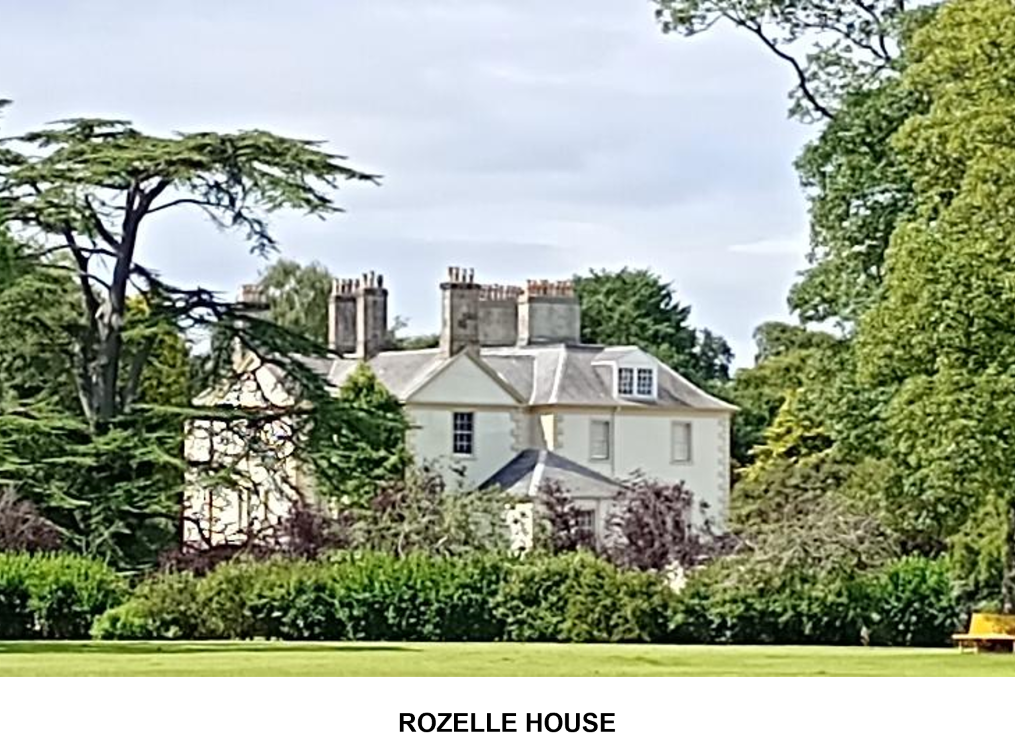
The Hamilton family of Rozelle
The Hamilton family epitomises the relationship between Ayrshire and Caribbean plantation slavery. Robert Hamilton (1698-1773) travelled to Jamaica in 1734, where he acquired a share in the sugar plantations of Rozelle and Pemberton Valley through marriage to a plantation-owning widow. He returned to Scotland with his family in 1744 and subsequently purchased land in Alloway which he named the Rozelle Estate. His connection with Jamaica continued through the management of plantations by his overseas representatives.
The Oswald family of Auchincruive
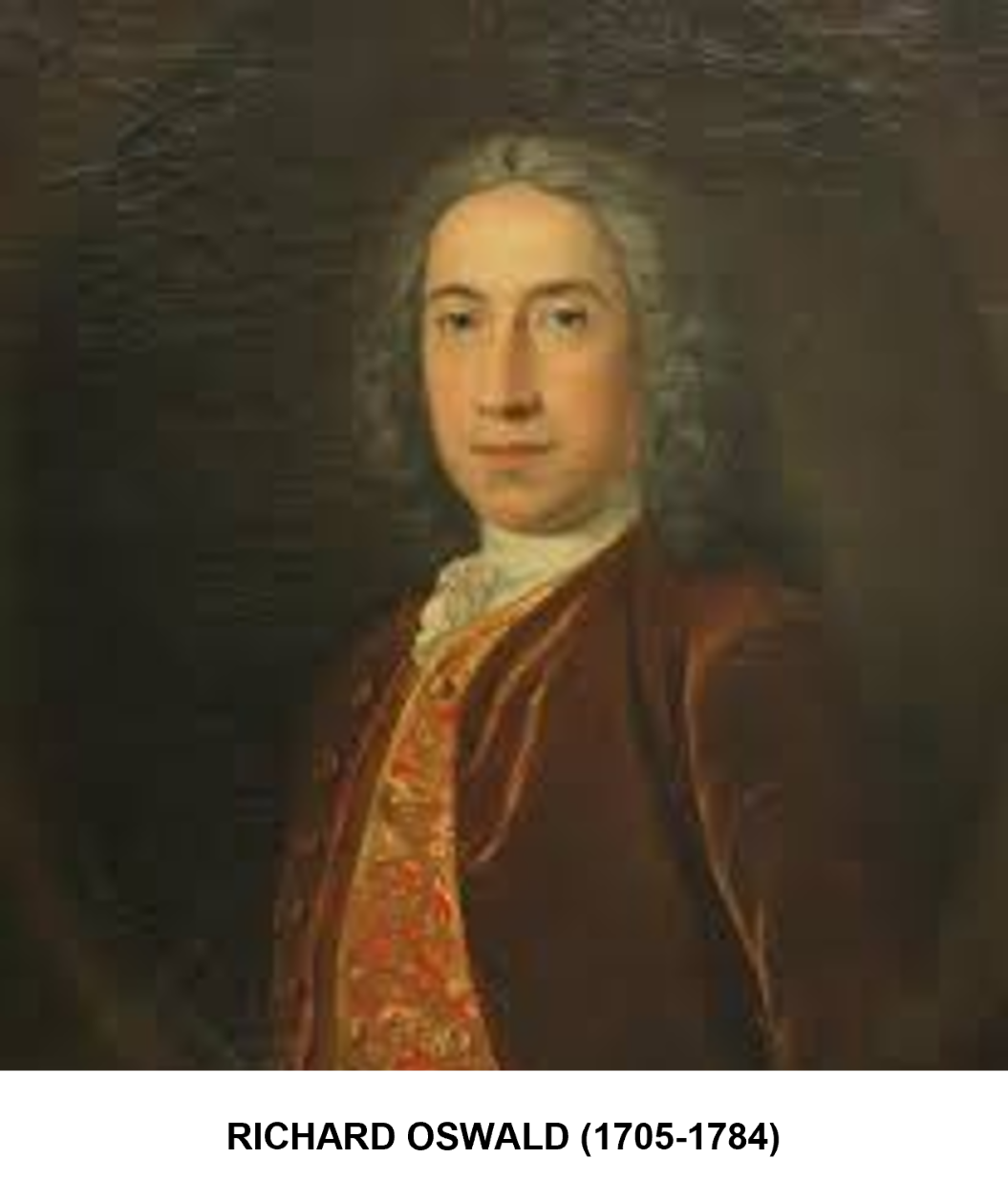
The Oswald family represents another significant connection between Ayrshire and the Atlantic slave economy. Richard Oswald (1705–1784), purchased the Auchincruive estate near Ayr, using wealth accumulated mainly through his direct involvement in slave trading and plantation ownership.
The Fergussons, Hunter Blairs and Cunynghams
The Fergusson, Hunter Blair and Cunyngham families’ connections to Jamaica formed part of a wider pattern in which family networks, marriage, kinship and inheritance together with colonial investment helped sustain wealth and social influence in Scotland.
Local Economic Impact
The relationship between Ayrshire and the Caribbean is complex. Some individuals built their fortunes through plantation management or trade; others invested from Scotland having inherited interests through relatives or married into families with colonial connections. The Ayrshire plantocracy was undoubtedly sustained by the system of enslavement.
However, many of the families involved did not solely seek personal gain. Their estates became centres of local employment, agricultural activity and influence over community affairs. Family names became attached to houses, farms, roads and local institutions which remain as physical reminders of Ayrshire's history. Today, many places, such as Rozelle House, serve as opportunities for historical education, allowing visitors to explore not only their architecture and former owners but also the origins of some of the wealth associated with them.
The profits from connections with slavery fundamentally altered Ayrshire. As well as being used to purchase rural estates and build grand country houses, they financed banking operations including the formation of the Kilmarnock Banking Company, established Ayrshire’s textile industry and helped develop infrastructure including roads, bridges and schools.
The Slavery 1833 Abolition Act
In time, the immense influence of the plantocracy prompted a strong local abolitionist response. Long before slavery was abolished, Ayrshire saw a growing and highly vocal abolitionist movement driven by changing religious views and by legal precedents which stated that slavery could not exist under Scots Law. However, while local ministers and ordinary citizens vigorously fought for the human rights of slaves, Ayrshire’s elite were granted huge financial compensation under the terms of the Abolition Act of 1833; whereas, the liberated slaves received nothing and in the majority of cases, faced lives of hardship, poverty and exploitation.
The plantocracy's legacy also includes the racial ideas used to justify slavery. Enslavement was supported by systems that treated African people as property and promoted beliefs in racial hierarchy and, although slavery was abolished in the 1830s, the social and economic consequences are still evident. Today’s discussions of structural racism, unequal opportunities and there presentation of Black Scottish history often consider how these historical systems influenced later society. It would be too simplistic to attribute every modern inequality directly to the plantocracy, but its history forms an important part of understanding how racial discrimination developed and has persisted.
Conclusion
The present-day legacy of the Ayrshire plantocracy can be understood through three interconnected themes: the physical landscape, the distribution and inheritance of wealth, and the way Scotland remembers slavery.
Historic houses such as Rozelle provide tangible links to plantation ownership with archival records revealing how profits and family relationships connected Ayrshire to the Caribbean. Contemporary debates about racism, compensation and public commemoration show that this history continues to influence how institutions and communities understand their past.
Ultimately, acknowledging the plantocracy's legacy does not require reducing the whole history of Ayrshire to slavery. It means recognising that the region's development included connections to an exploitative colonial economy, and ensuring that the people whose forced labour contributed to that wealth are included in the story.
Hazel Sommerville
I am indebted to Ken Nairn for sharing his extensive historical knowledge and providing background material.

